Imagine an ocean of glassy panels at the hottest part of the day. Row after row, they glimmer and soak up every stray photon. That’s how large scale solar works; it’s really different from a single rooftop arrangement. Huge solar farms with acres of panels stare at the sun without blinking. They power towns, industries, and even the coffee-drinking baristas who keep them going.
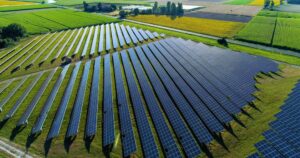
Picture countryside that used to be full of sheep now covered in big blue rectangles. It looks like something from the future. Out here, electrons run softly but steadily, giving power to everything from simple kettles to the newest game consoles. Solar power at this level isn’t just a fantasy; it’s already changing how we get electricity.
The thing is, size really does impact everything. Small residential arrays do the tap dance in the kiddie pool. Solar panels on a large scale are like Olympic swimmers. They save a lot of money. Building more panels, buying hardware in bulk, and pooling personnel all save money. Utility firms can lock in lower rates, which makes everyone’s electrical bills a little less onerous.
Connecting to the grid is a real balancing act. You can’t just flip a switch and turn on the lights in the city because there are so many solar panels. Power conversion gear, transformers, and smart software work together like traffic cops to keep all these sun-kissed electrons in line. It’s a mess, but with sunshine instead of coffee jitters.
It’s not just about getting additional panels; it’s about thinking outside the box. Panels can follow the sun with tracking devices, which helps them get a few extra percent of power. Some locations are spread out over deserts, while others are on soil that is too dry or saline for crops to grow. Innovation seems limitless; it’s almost like solar developers have a secret handshake with the sun.
Don’t forget about storage. Solar is great, but it won’t function when it’s dark. Batteries come in. Monolithic lithium packs or strange new technologies can store the day’s haul for a Netflix marathon later that night. These batteries can be as big as a shipping container, which is big enough to hold a dance party.
Get your pitchforks ready, environmentalists. These farms certainly need room, but they don’t use a lot of water or release a lot of CO2. Sheep may still eat grass under the panels, and bees often make their homes there. There are birds, bugs, dust, and the odd rabbit, but the trade-offs don’t seem as bad as fossil fuels spewing into the sky.
High-voltage transmission transmits power quickly from deserts to places where it is needed. That trip isn’t easy. Building new lines causes problems and a lot of paperwork. A lot of smart people are still attempting to make things easier.
And who is paying for this amazing show? Governments give out subsidies, banks look for regular earnings, and investors who only want to make money when the weather is nice chase sunshine. Everyone wants a piece of the sun-baked pie.
This isn’t a dream about being green. The way electricity works is changing. On a sunny afternoon, you’ll feel its effects—sometimes literally, like when your phone charges up because of a field of panels that are kilometers away. Large scale solar is large, bold, and quietly changing how we light up the night.